Shinjuku / PLACE
Shinjuku Suehirotei
Rakugo alternates with comedy, paper cutting and variety acts in a timber auditorium, with a new bill every ten days.
Visit fitAnyone happy to enjoy rhythm and timing without catching every word · first-timers to Japanese performance
Founded in 1897 and rebuilt in timber in 1946 after the 1945 fire. Chairs fill the centre of the ground floor with tatami galleries on both sides (about 313 seats), and the bill changes every ten days.
The hand-painted performer boards facing the street; inside, how close the stage feels from the tatami seats.
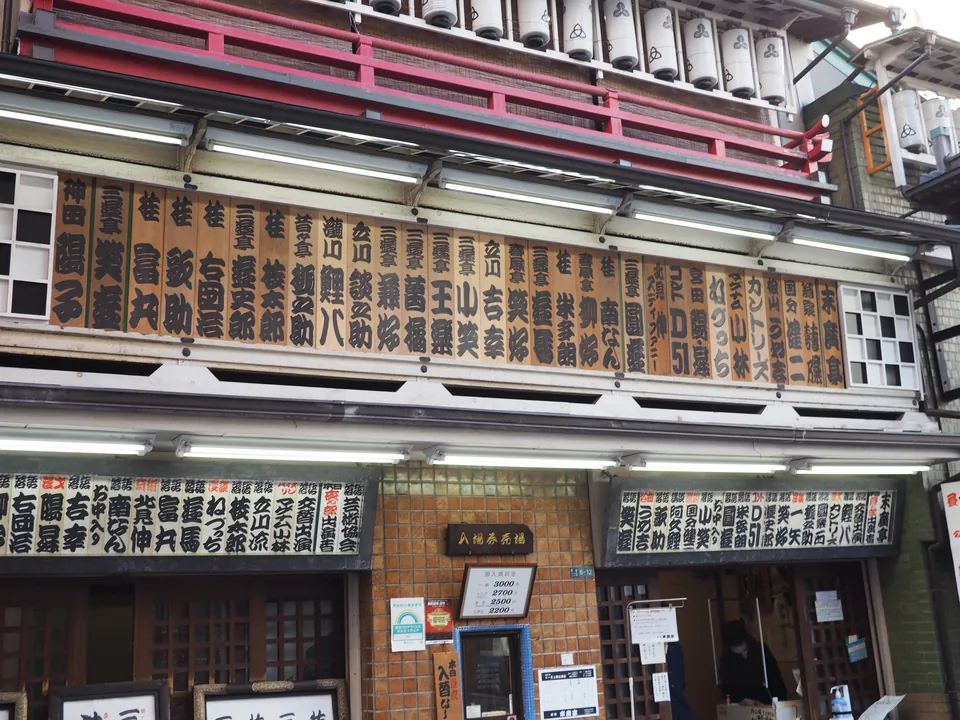
Image info
nakashi from Chofu, Tokyo, JAPAN · 2021-11-03 · CC-BY-SA-2.0 · resized and cropped
One storyteller, several characters
Rakugo is seated storytelling: one performer moves among characters through changes in voice, posture and the direction they face. Wordplay and the final turn create much of the humour. With limited Japanese, come for the craft of making a scene from a voice and small movements, while recognising that the verbal story may be difficult to follow. Founded in 1897 and rebuilt after the war, the timber theatre wraps central chair seating with tatami galleries on either side. Ordinary seating is unreserved; choose among the available chairs or tatami when entering.
WHERE · On foot from here
How far from the station, and which side
North of Shinjuku-sanchome Station, about 70 m in a straight line from the station point. The position is the official address point and may differ from the entrance. The shaded areas are about 5 and 10 minutes on foot from here.
Read together
Walking bands are computed by FOW on the OpenStreetMap surface street network at 80 m/min and drawn as a smoothed approximate area around the streets reached. They ignore exit positions, station interiors, underground passages, signals, slopes and routes inside buildings — not directions; follow on-site signs.
Map data: © OpenStreetMap contributors (ODbL) · Walking bands: computed by FOW · Station and gate notes: official guidance (2026-10-16)
The bill contains more than rakugo
A regular day or evening session presents more than a dozen acts, roughly two-thirds rakugo, with comedy, magic, acrobatics and music between them. These visual acts offer a different way into the programme between stories. Performers can change, and the bills for days 1–10, 11–20 and 21 onwards differ.
Buying a first ticket
Ordinarily, buy a ¥3,500 adult ticket at the door; individual advance reservations are unavailable. Choose between the 12:00–16:15 day session and 16:45–20:30 evening first. Admission ends at 19:15. Regular evenings list reduced entry around 18:00 at ¥3,000 and around the interval at ¥2,000; special performances are excluded. For a shorter late visit, check both the day’s bill and the admission cutoff. Move considerately while an act is performing. Check any language support for the specific programme; boxed meals are sold only on weekends and public holidays.
Read it with
Before you go
- Hours and fees
- Ordinary adult admission ¥3,500; 12:00–16:15 or 16:45–20:30. Individual admission normally uses unreserved seats sold at the door; special shows differ.
- Good to know
- Check special programmes, sell-outs and any language support on the official guide.
- Time
- A full day session runs 4 h 15 min, an evening session 3 h 45 min.
Sources · image info
- 新宿末廣亭 ご案内Shinjuku Suehirotei · as of 2026-09-29
- 定席 末廣亭Rakugo Association · as of 2026-09-29
- Suehirotei — current admission and variety programmeShinjuku Suehirotei · as of 2026-10-19
- Japan Arts Council - Cultural Digital Library (文化デジタルライブラリー) ↗
- Shinjuku Convention & Visitors Bureau ↗
- Shinjuku Suehirotei (official) ↗
- Suehirotei — nakashi from Chofu, Tokyo, JAPAN · 2021-11-03 · CC-BY-SA-2.0 · resized and cropped
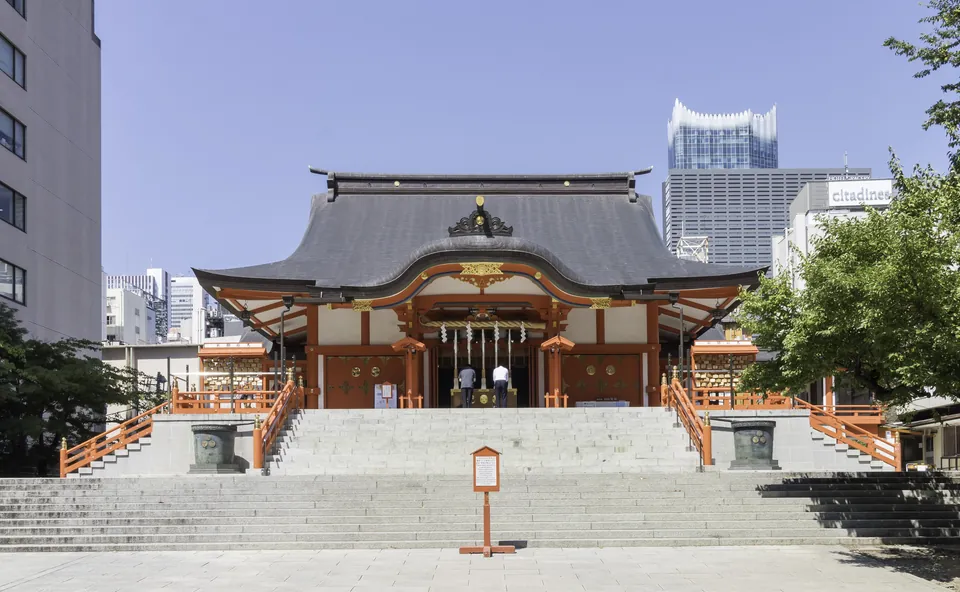
- Hanazono Shrine — Kakidai · 2025-09 · CC-BY-SA-4.0 · resized and cropped
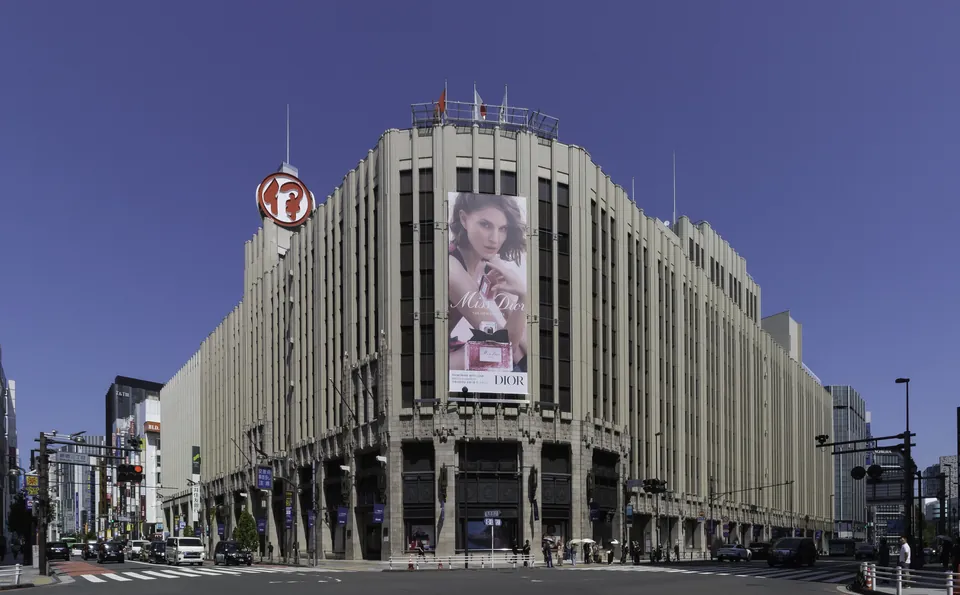
- Isetan — Kakidai · 2025-08 · CC-BY-SA-4.0 · resized and cropped
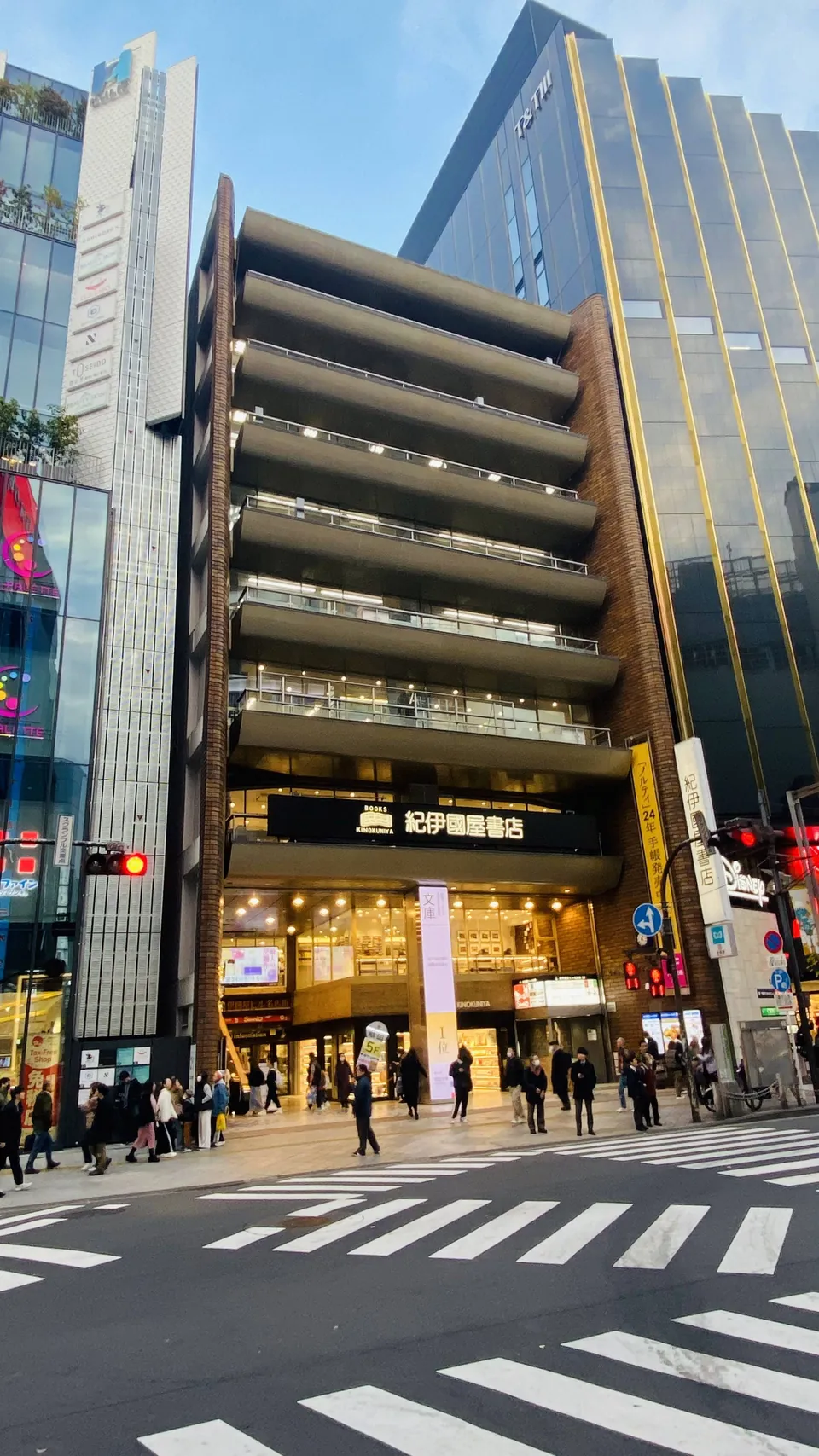
- Kinokuniya — ブラ松 · 2023-12-27 · CC-BY-SA-4.0 · resized and cropped
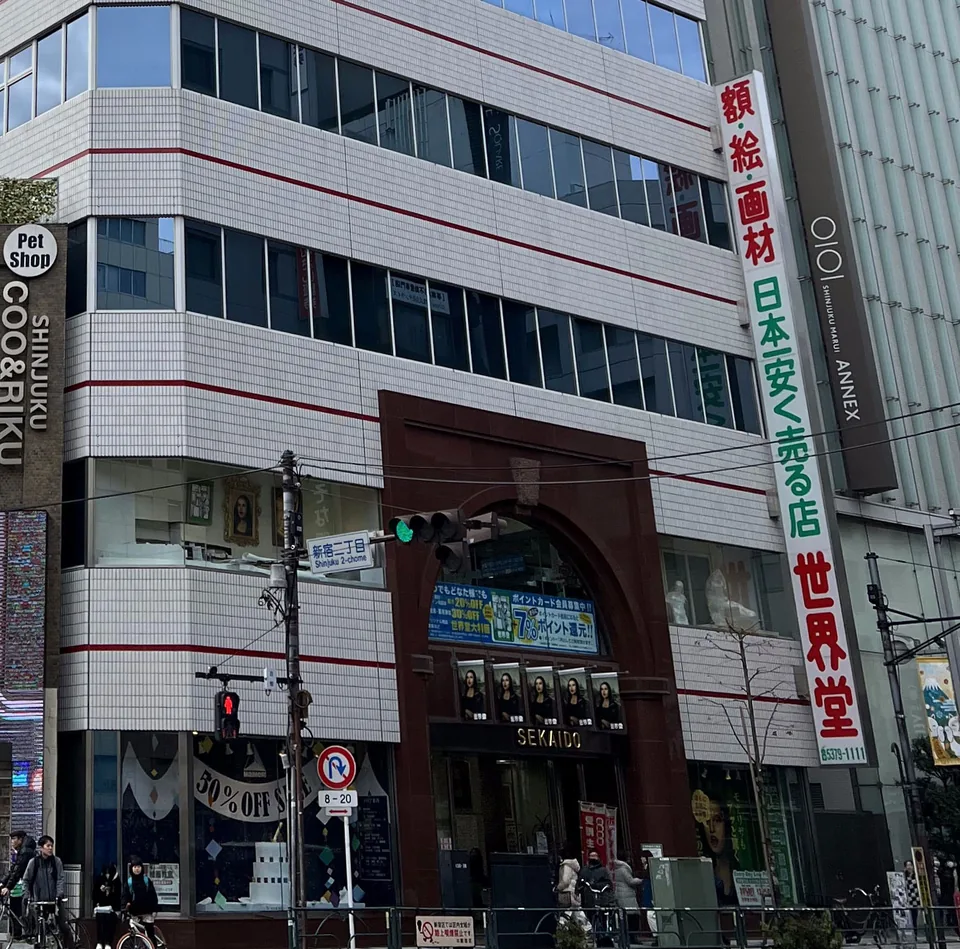
- Sekaido — Asanagi · 2024-01-28 · CC0-1.0 · resized and cropped


