Shinjuku / PLACE
Hanazono Shrine
A former post-town guardian with a theatre history:1821 bronze lions, a performing-arts shrine and a miniature Fuji remain among the commercial streets.
Visit fitPeople looking for a city’s older layers · Sunday-morning antique browsers
An Inari shrine on this site since the Kan’ei era (1624–44). The November Tori-no-ichi fair and Kara Juro’s red tent of summer 1967 tie the precinct to Shinjuku culture; an antique market fills it every Sunday.
The red steps up to the main hall and the pair of bronze komainu, a Shinjuku City cultural property — then the Kabukicho signs just beyond the precinct.
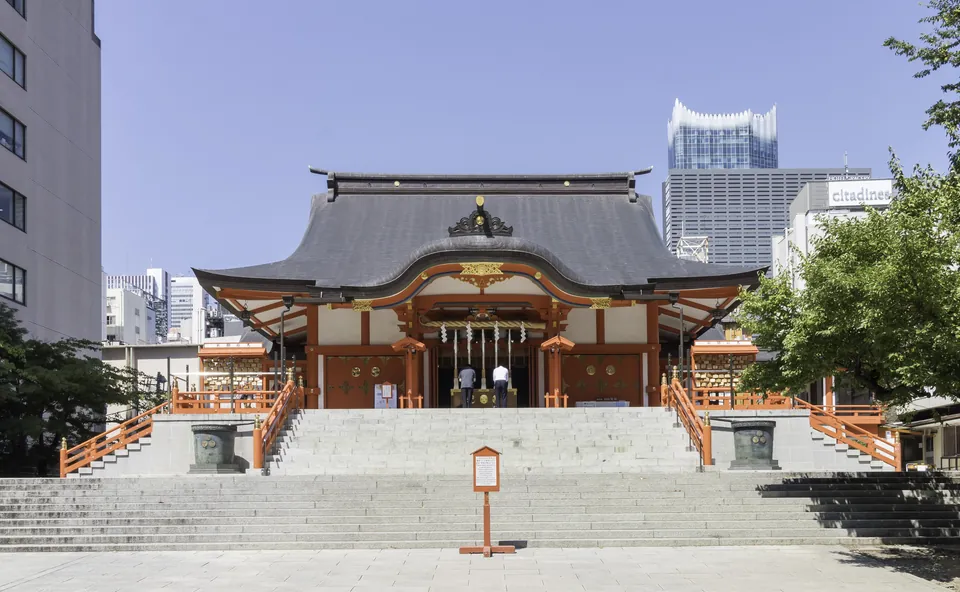
Image info
Kakidai · 2025-09 · CC-BY-SA-4.0 · resized and cropped
A shrine rebuilt with the town
Hanazono began as an Inari shrine before the Edo period and became guardian of the Naito-Shinjuku post town. It moved from near today’s Shinjuku 3-chome crossing to this site during 1624–44. After fires, performances in the precinct raised rebuilding funds under the name Sankoin Shibai. The present shrine building dates from 1965, replacing one destroyed in the war. Its history links religious life with the commerce and performance that sustained the surrounding town.
WHERE · On foot from here
How far from the station, and which side
North-east of Shinjuku-sanchome Station, about 200 m in a straight line from the station point. The shaded areas are about 5 and 10 minutes on foot from here.
Walking bands are computed by FOW on the OpenStreetMap surface street network at 80 m/min and drawn as a smoothed approximate area around the streets reached. They ignore exit positions, station interiors, underground passages, signals, slopes and routes inside buildings — not directions; follow on-site signs.
Map data: © OpenStreetMap contributors (ODbL) · Walking bands: computed by FOW · Station and gate notes: official guidance (2026-10-16)
Smaller objects beside the main shrine
The pair of bronze guardian lions was donated by Naito-Shinjuku parishioners in 1821 and is a designated ward cultural property. Their cast-metal bodies offer a different surface and modelling from stone guardians. The smaller Geino Asama shrine carries the precinct’s performing-arts connection; beside it stand Shinjuku Fuji, a miniature Mount Fuji, and a monument inscribed with a Keiko Fuji song. Adding one or two of these smaller objects gives the theatre history a physical place beyond the large red shrine building.
Between a shrine visit and the lanes
Shinjuku-sanchome exit E2 is immediately beside it; the tourism association gives about seven minutes from JR’s East Exit. Allow 15–25 minutes for a short precinct visit as a planning estimate. The association lists office hours of 09:00–19:00, separate from walking through the grounds. November’s Tori-no-Ichi brings decorative kumade rakes associated with business prosperity and changes both the setting and movement through the precinct. Use the specific festival notice for dates and leave worshippers’ paths clear. On the way to Golden Gai, give the shrine its own pause before continuing into the bar lanes.
Read it with
Before you go
- Hours and fees
- 5-17-3 Shinjuku, right beside Shinjuku-sanchome exit E2. Worship, office and event times follow the shrine’s notices.
- Good to know
- On Sundays an antiques market fills the grounds (except on festival days).
Sources · image info
- 花園神社Shinjuku Convention & Visitors Bureau · as of 2026-09-29
- Hanazono-jinja Shrine (Shinjuku Ward, Tokyo)Japan Travel And Tourism Association · as of 2026-09-29
- Hanazono Shrine’s bronze lionsShinjuku Historical Museum / Shinjuku Foundation for Creation of Future · as of 2026-10-19
- Shinjuku Fuji at Hanazono ShrineShinjuku Convention & Visitors Bureau · as of 2026-10-19
- Shinjuku Convention & Visitors Bureau (一般社団法人新宿観光振興協会) ↗
- Shinjuku Convention & Visitors Bureau ↗
- Gekidan Kara-gumi (劇団唐組, official) ↗
- Hanazono Shrine Aozora Kotto-ichi organiser site ↗
- Hanazono Shrine — Kakidai · 2025-09 · CC-BY-SA-4.0 · resized and cropped
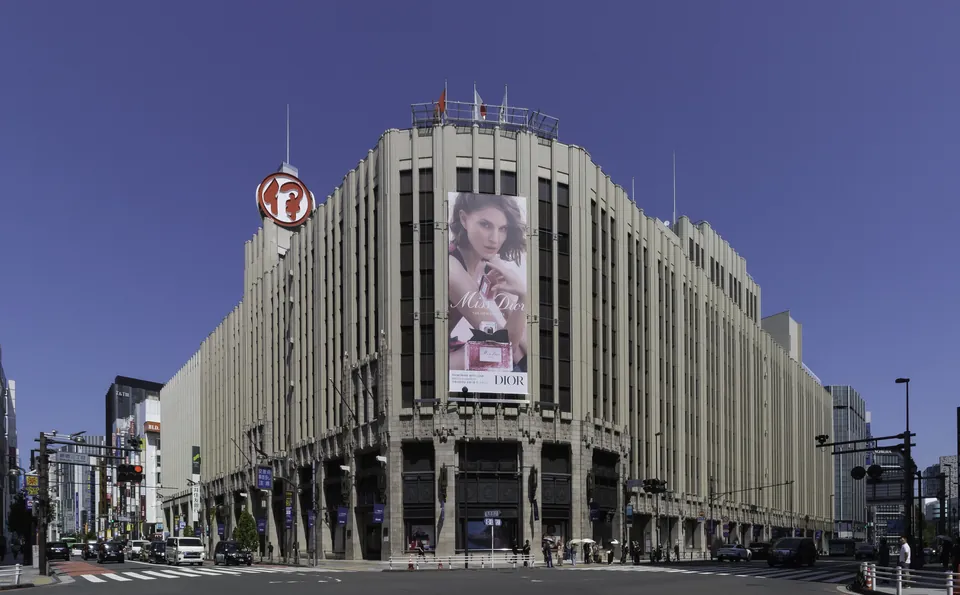
- Isetan — Kakidai · 2025-08 · CC-BY-SA-4.0 · resized and cropped
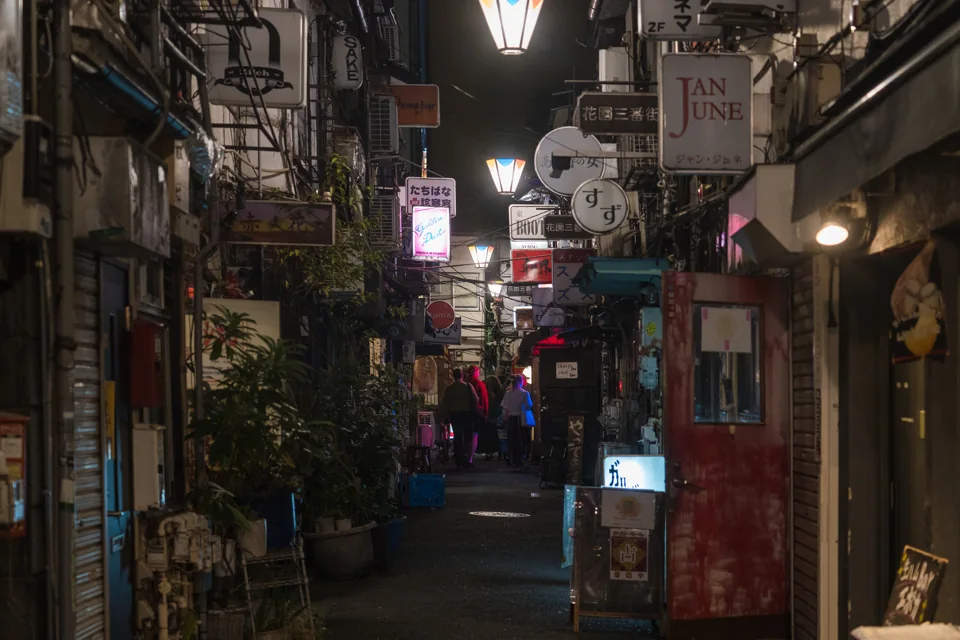
- Golden Gai — Alexey Komarov / Alexkom000 · 2024-10-20 · CC-BY-4.0 · resized and cropped
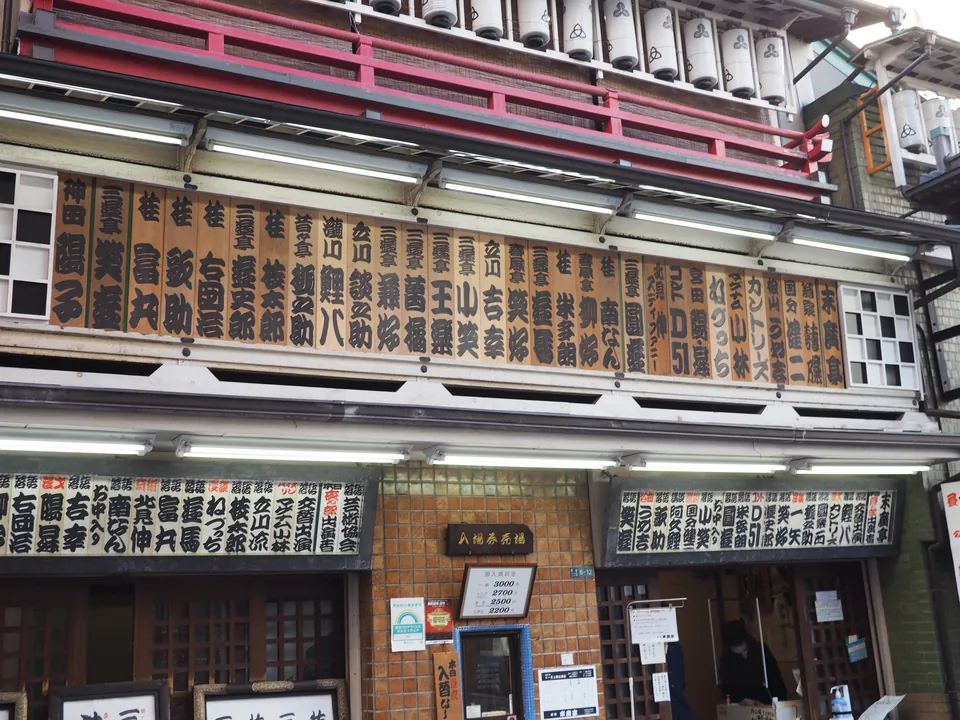
- Suehirotei — nakashi from Chofu, Tokyo, JAPAN · 2021-11-03 · CC-BY-SA-2.0 · resized and cropped
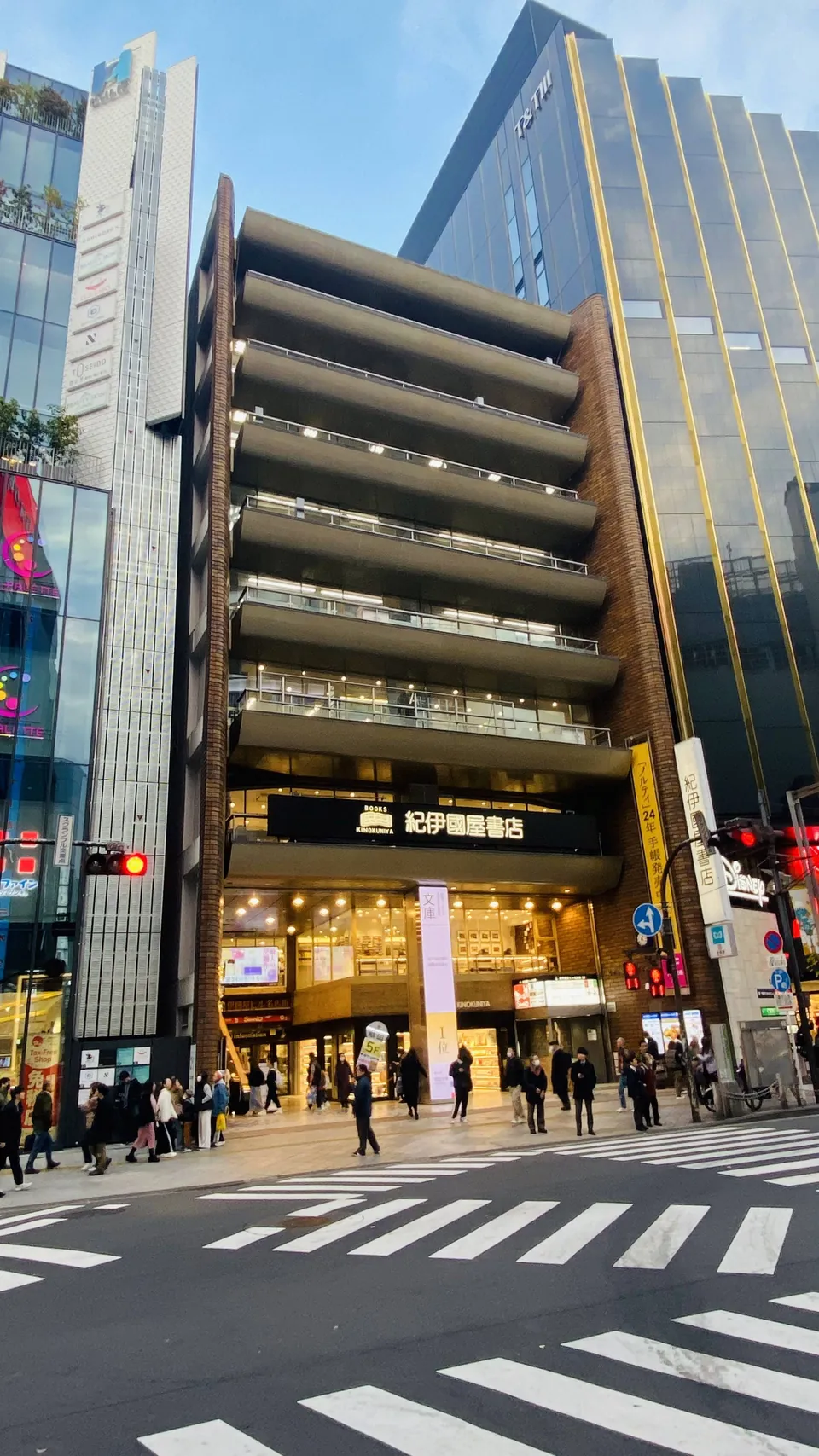
- Kinokuniya — ブラ松 · 2023-12-27 · CC-BY-SA-4.0 · resized and cropped


